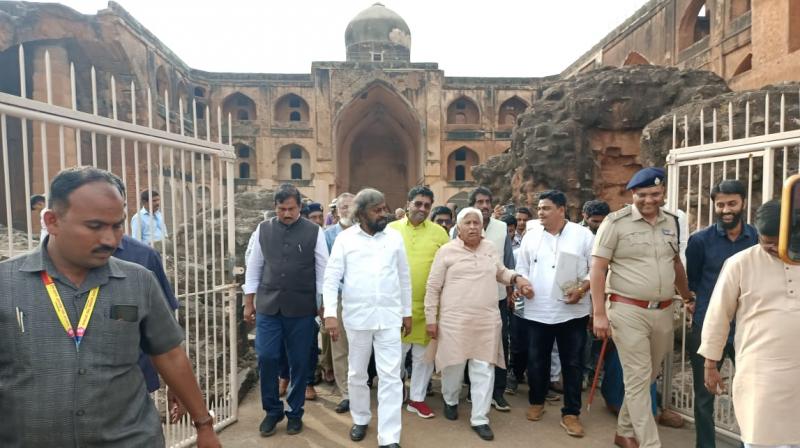
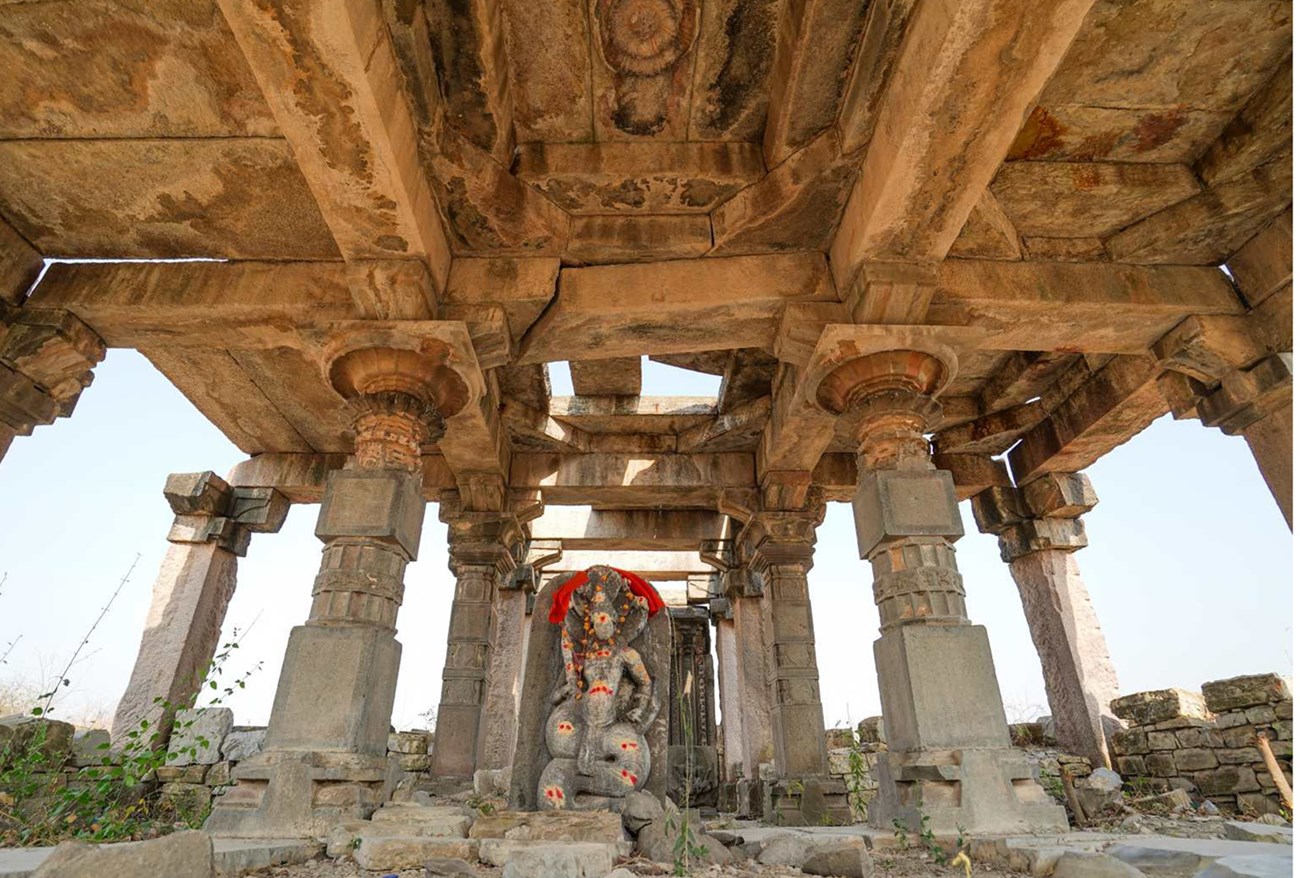
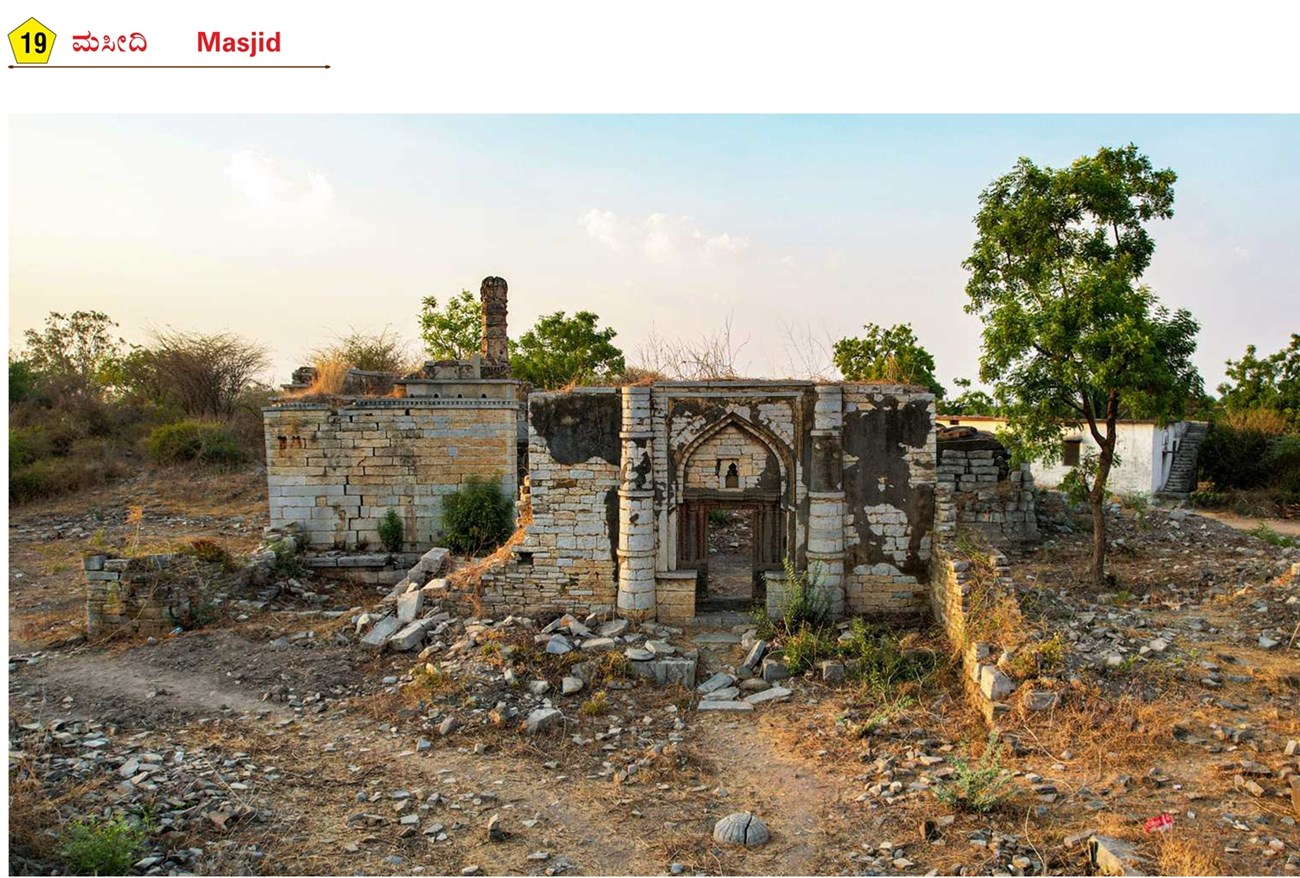
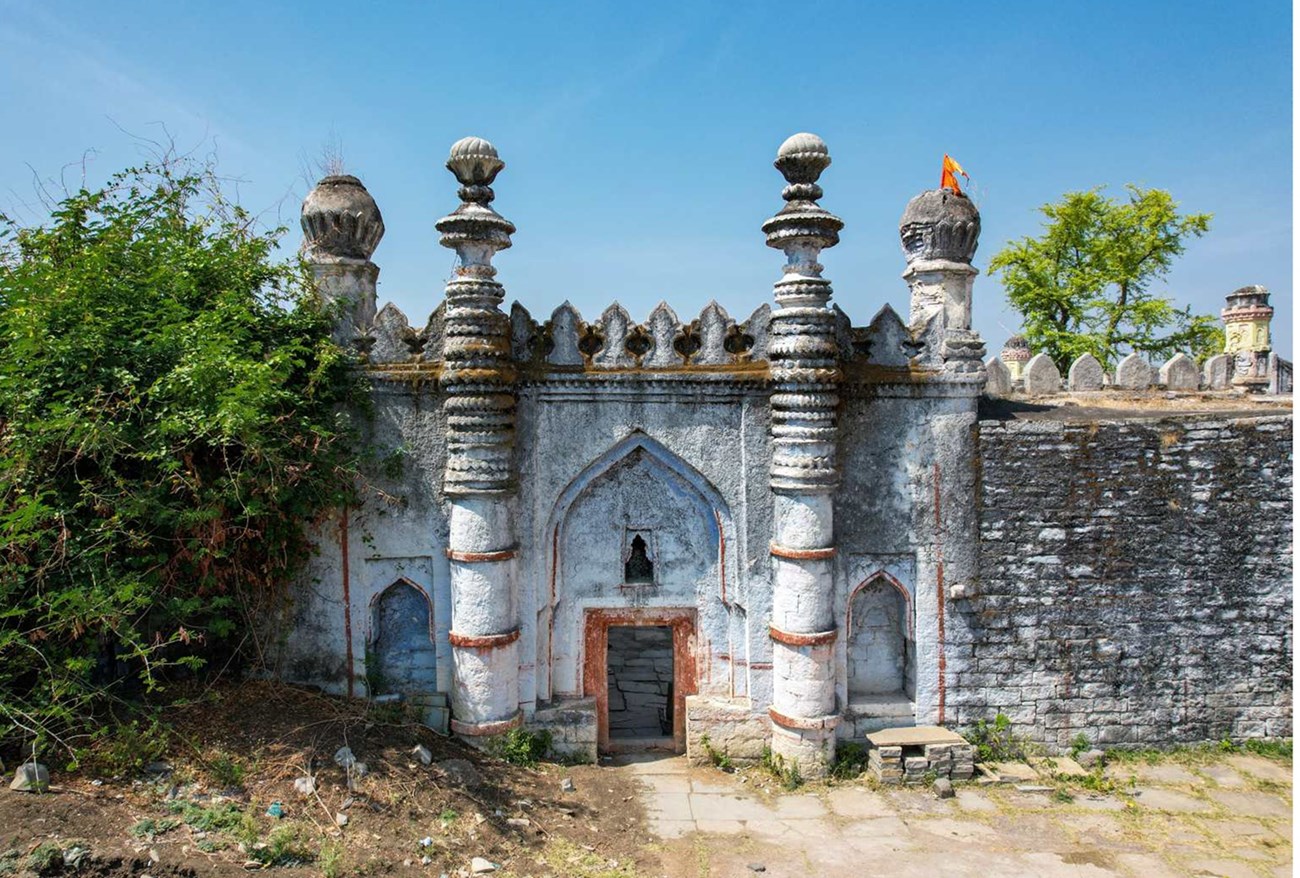
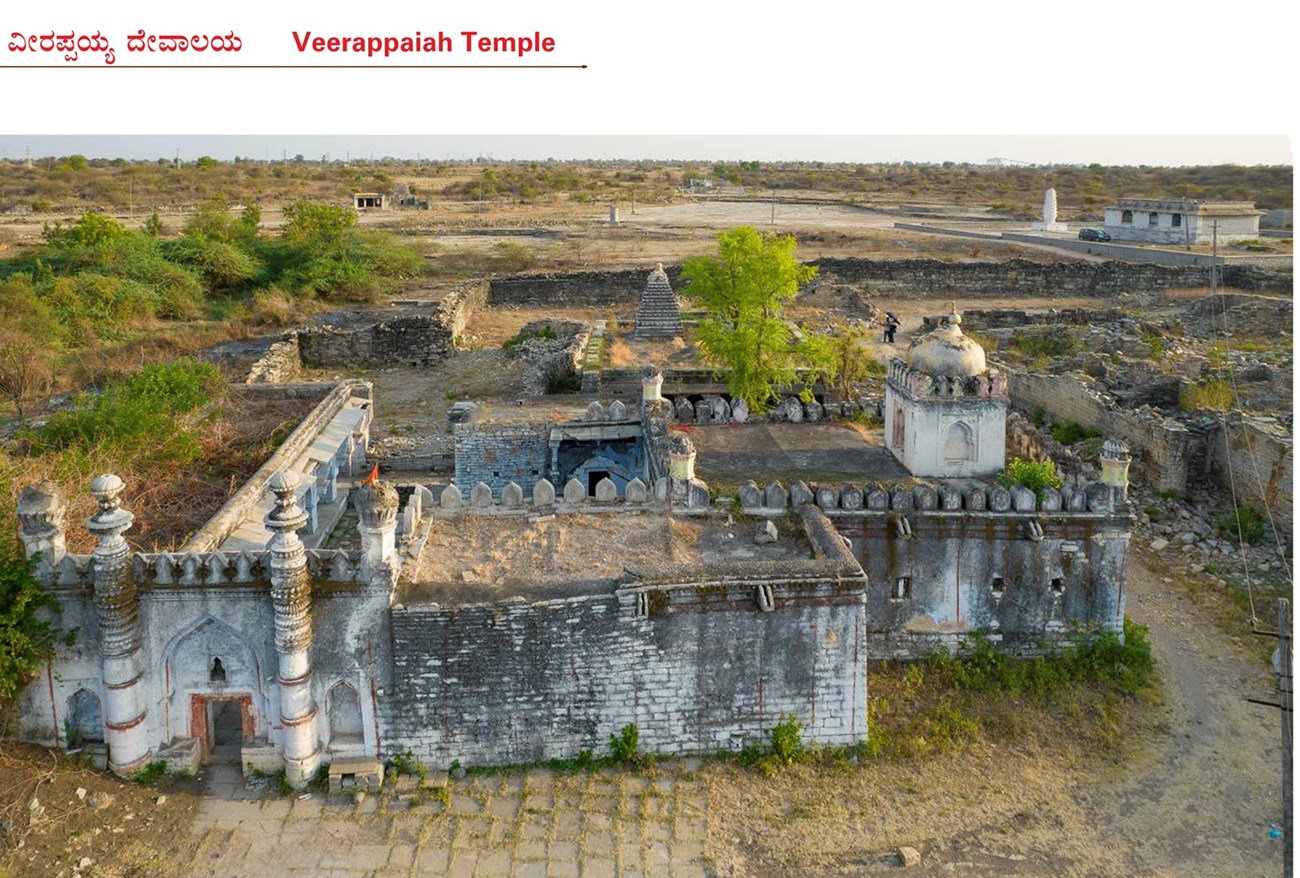
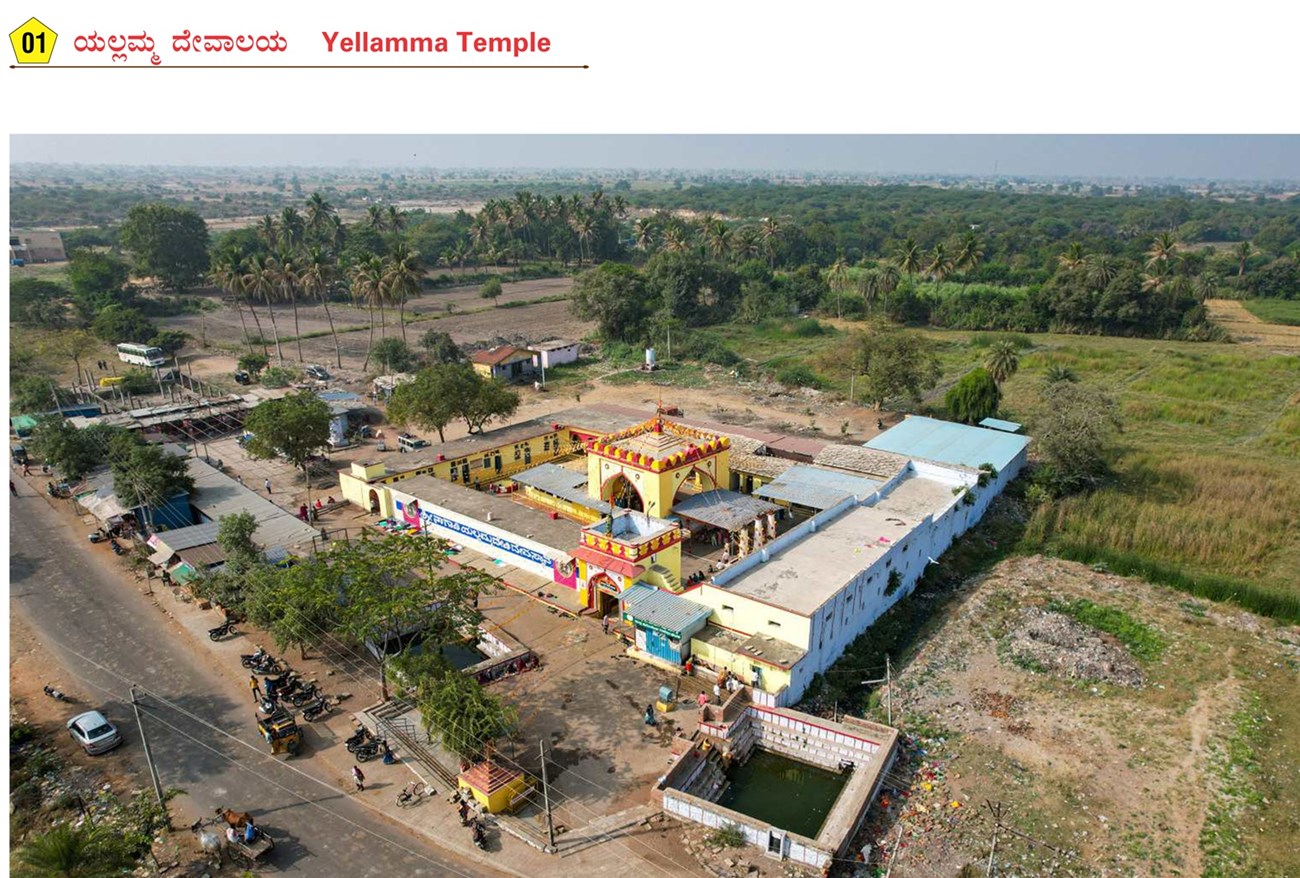
In Karnataka, some monuments stand right by the highway, yet for years, the road to caring for them was almost impossible to find.
The Gap
Across the state, more than 800 monuments are protected by the Department of Archaeology, Museums and Heritage (DAMH): stepwells, forts, temples, tombs, palaces, and sites that hold India’s knowledge systems in stone, brick, and earth.
On paper, Karnataka had an “Adopt a Monument” scheme, similar to the national “Adopt a Heritage” effort, meant to invite CSR funders, institutions, and communities to become custodians. In practice, the path from intent (“we want to help”) to impact (“the monument is adopted and conserved”) was difficult to navigate. There was no single, updated view of adoptable sites, processes were complex, and outreach to the CSR ecosystem was limited.
For Culkey, this was a quiet crisis. Places were aging faster than support could reach them, and the surrounding communities were losing opportunities for heritage-led livelihoods.
Namma Smaraka: Giving Heritage a Front Door
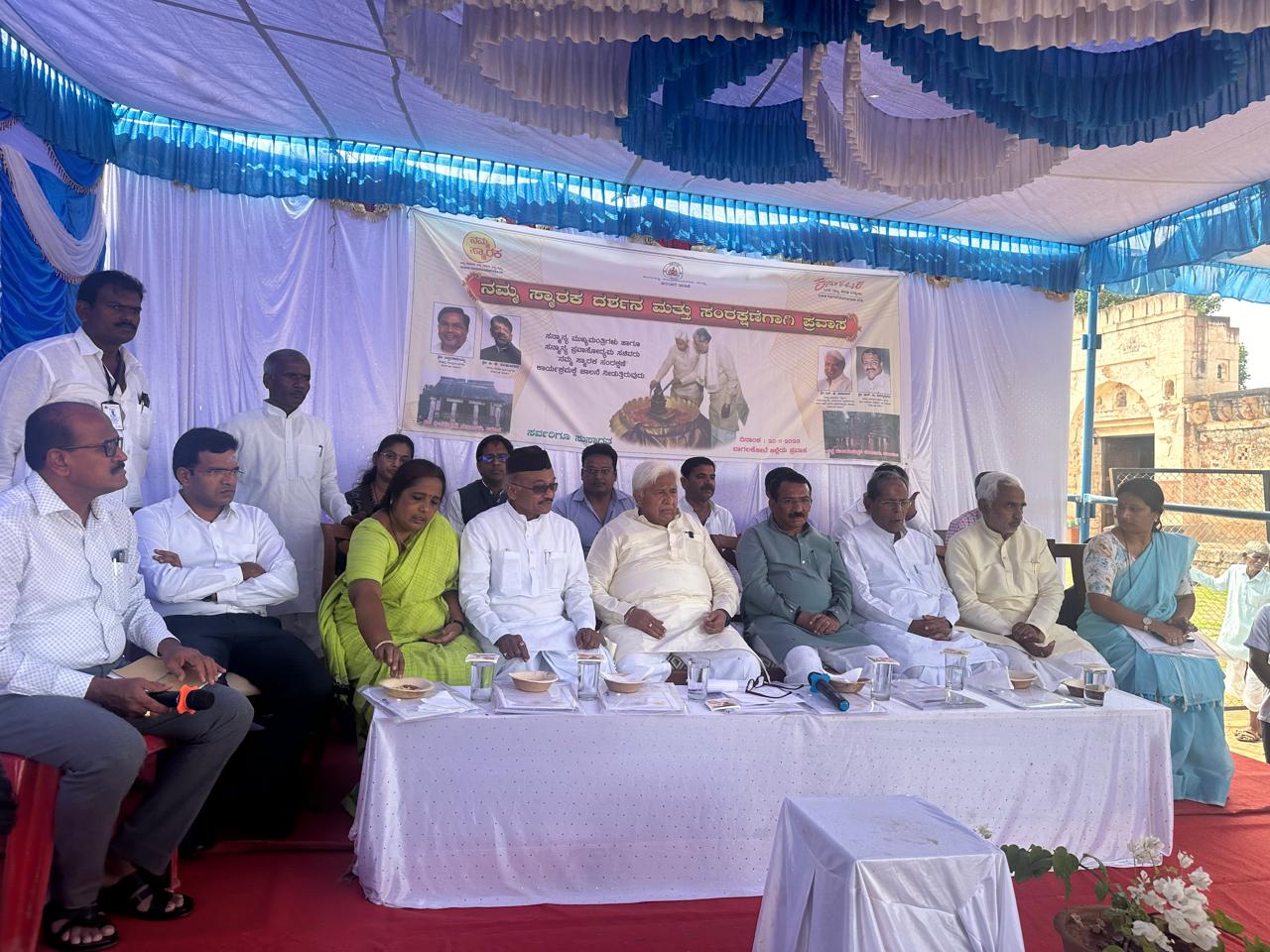
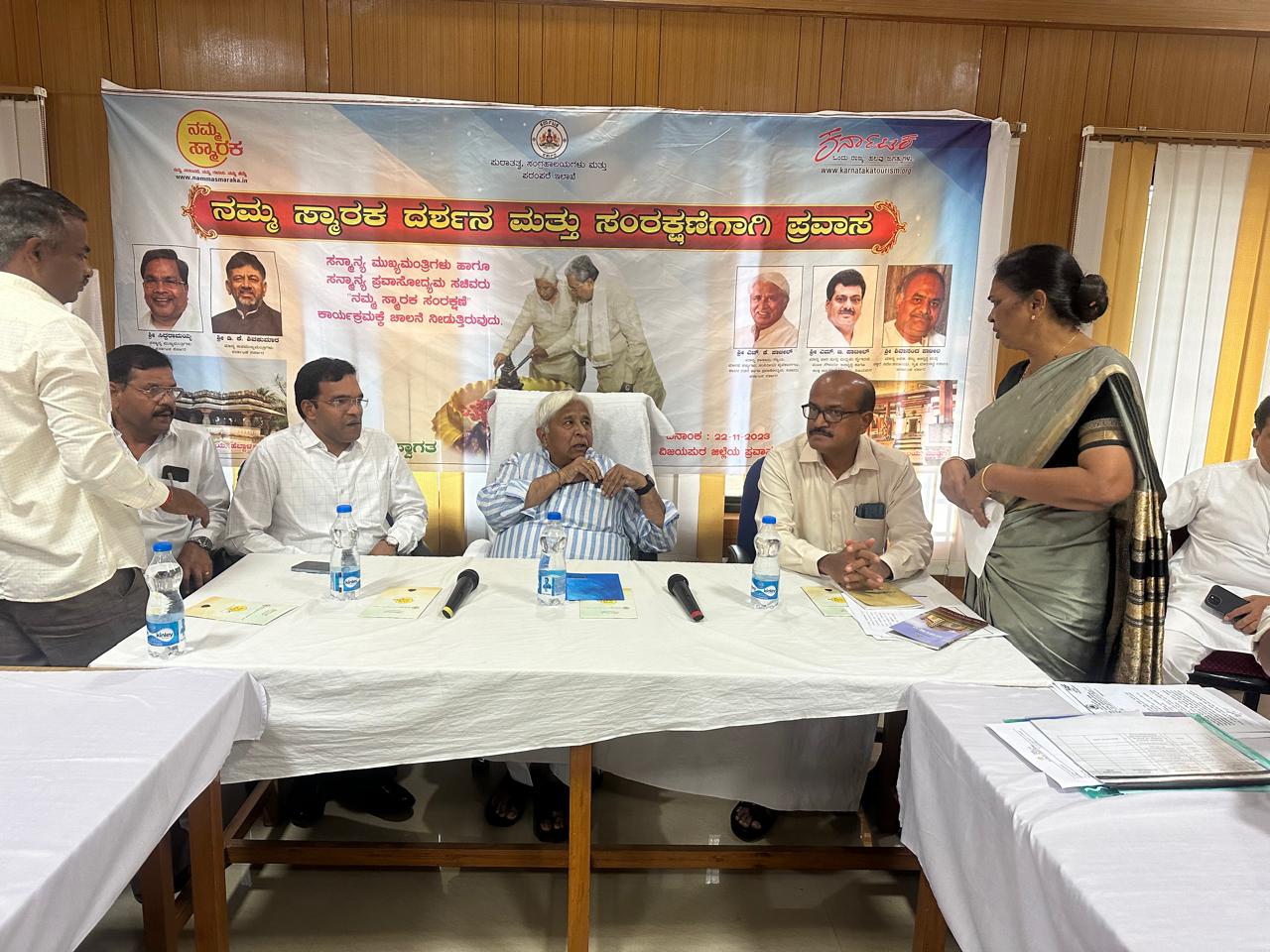
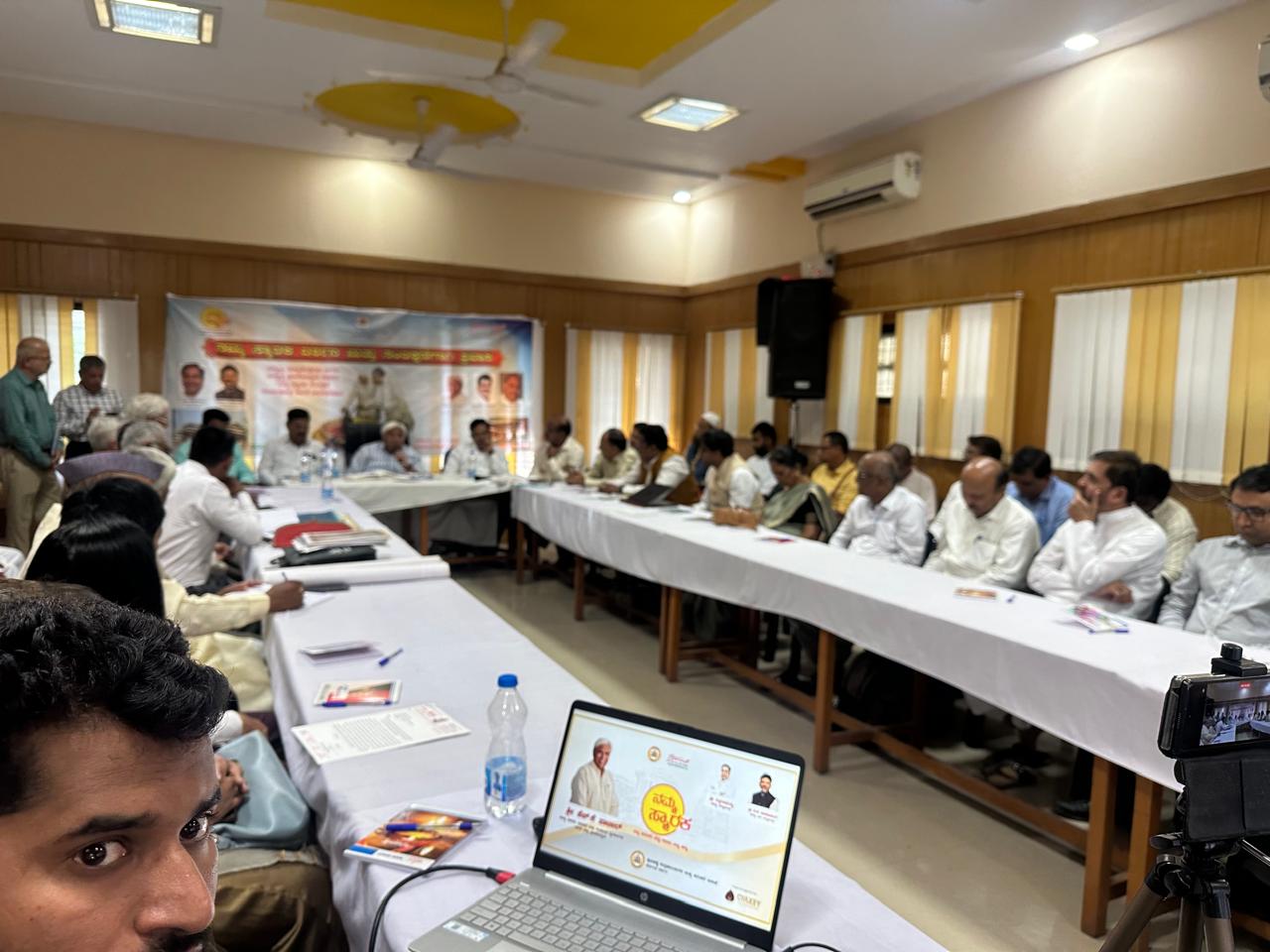
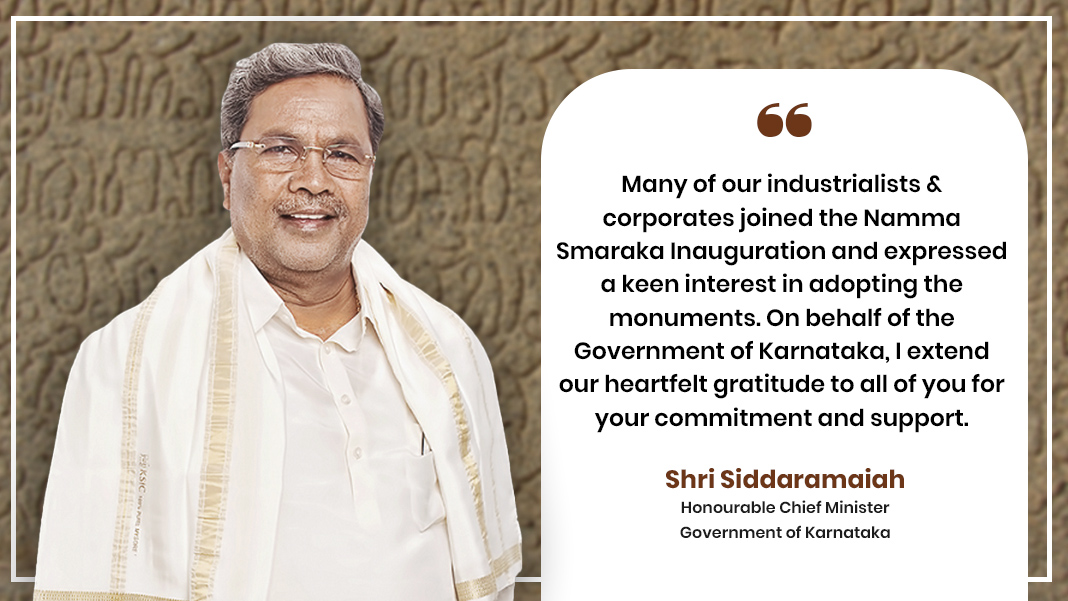
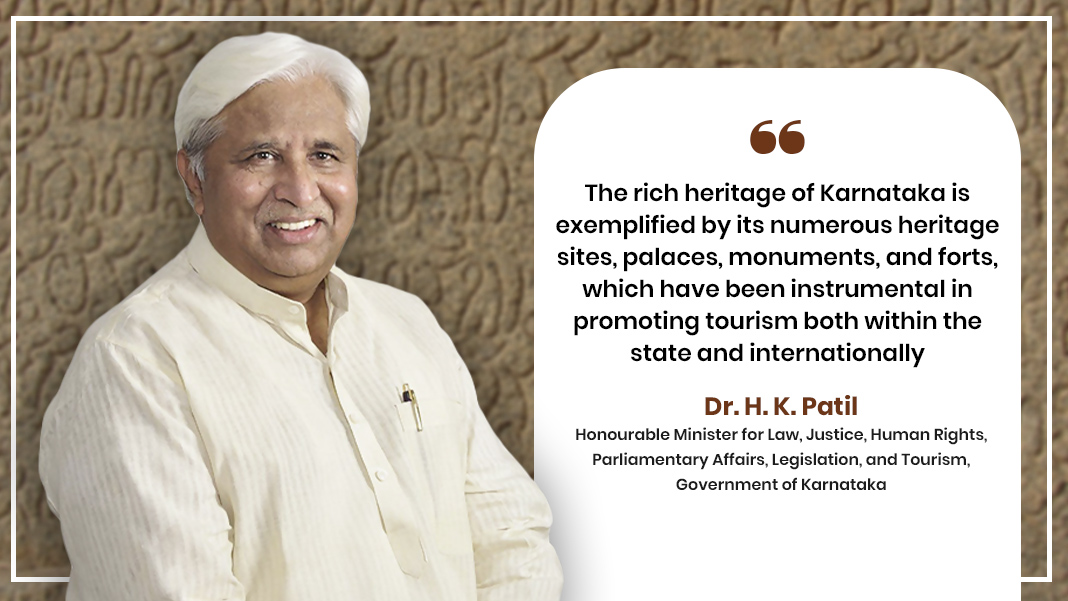
In 2023, the Government of Karnataka launched Namma Smaraka, a state initiative to accelerate the adoption of state-protected monuments. Officially inaugurated on September 25, 2023, by Hon’ble Chief Minister Shri Siddaramaiah and Tourism Minister Shri H K Patil, the program signaled that heritage adoption is now a core part of Karnataka’s tourism and culture agenda.
Culkey Foundation was appointed as the Project Management Unit (PMU) for three years on a non-financial, non-commercial basis. The goal: turn policy into practice. The alignment was natural:
- Place and People: Reviving monuments as living anchors for communities.
- ESG & SDGs: Linking conservation to local livelihoods and Schedule VII compliance.
Knowledge Systems: Keeping India’s narratives accessible and relevant.
Building the Rails: Objectives and Design
The first task was to make the system visible. Together with DAMH, Culkey:
- Digitized the Portfolio: Listed 800+ monuments on a searchable digital dashboard.
- Launched the Platform: Developed www.nammasmaraka.in as a “front door” for CSR funders to identify sites aligned with their geographic priorities.
- Operationalized Processes: Refined adoption workflows, covering roles, estimates, and approvals, to ensure they were consistent with state guidelines.
The design goal was simple: make it as easy to find and adopt a monument as it is to discover a new product, without compromising state control over conservation standards.
Culkey’s Role as PMU
As the PMU, Culkey acts as the bridge between stakeholders. The work runs end-to-end:
- Understanding CSR Intent: Mapping funder priorities (e.g., water, education, or culture) to suitable monuments.
- Co-creating Proposals: Working with DAMH engineers and empanelled architects (such as INTACH or Urban Frame) to develop concepts and estimates that meet heritage criteria.
- Enabling Adoption: Supporting the DAMH through expressions of interest, letters of intent, and formal approvals.
- Post-adoption Tracking: Liaising with DAMH to ensure compliance and monitor progress across sites.
Impact to Date
In its first phase, the Namma Smaraka effort has:
- Increased Legibility: Made 800+ monuments discoverable through the digital dashboard.
- Facilitated Adoption: Contributed to the adoption journey of over 20 monuments by pairing CSR intent with the right sites.
- Expanded Outreach: Engaged more than 50 CSR funds and institutions to advocate for heritage conservation as a high-impact investment.
- Built Community: Showcased over 200 monuments on social media, turning “anonymous site codes” into stories people care about.
Governance and the Road Ahead
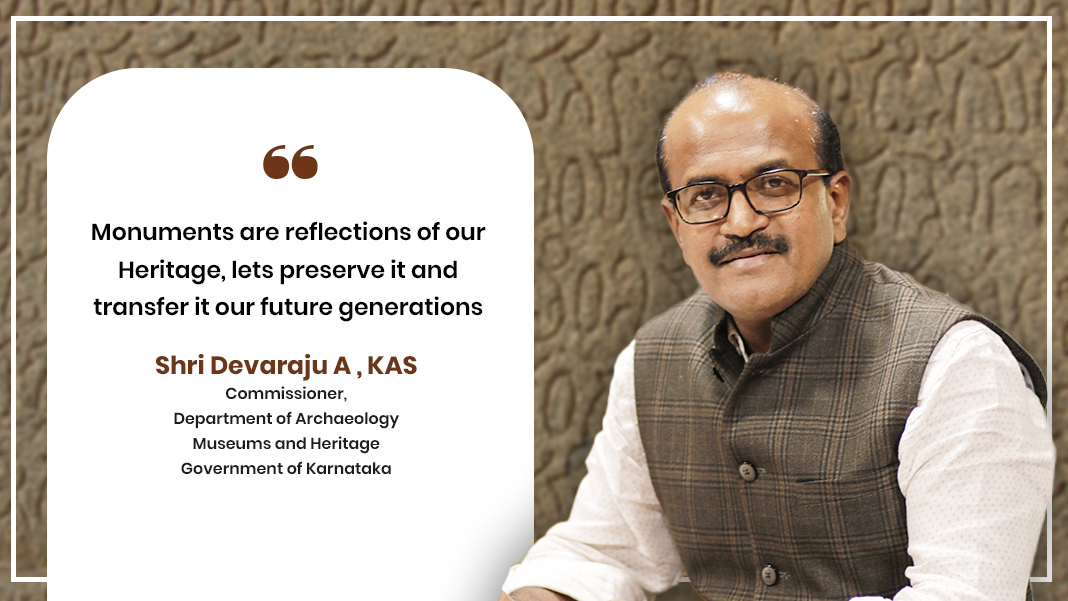
Governance rests firmly with the Government of Karnataka, with DAMH as the implementing agency. Culkey’s role is supportive, time-bound, and transparent.
For Culkey, Namma Smaraka proves that when you make it easy to see and understand the places that hold our shared memory, you do more than save buildings; you create the conditions for livelihoods and pride that keep those places and their people thriving.