Culkey’s Adoption of Monument
In Sri Rangasthala, the stories are larger than life, but for decades, the land around them lay quiet.
A Site that Demanded a Template
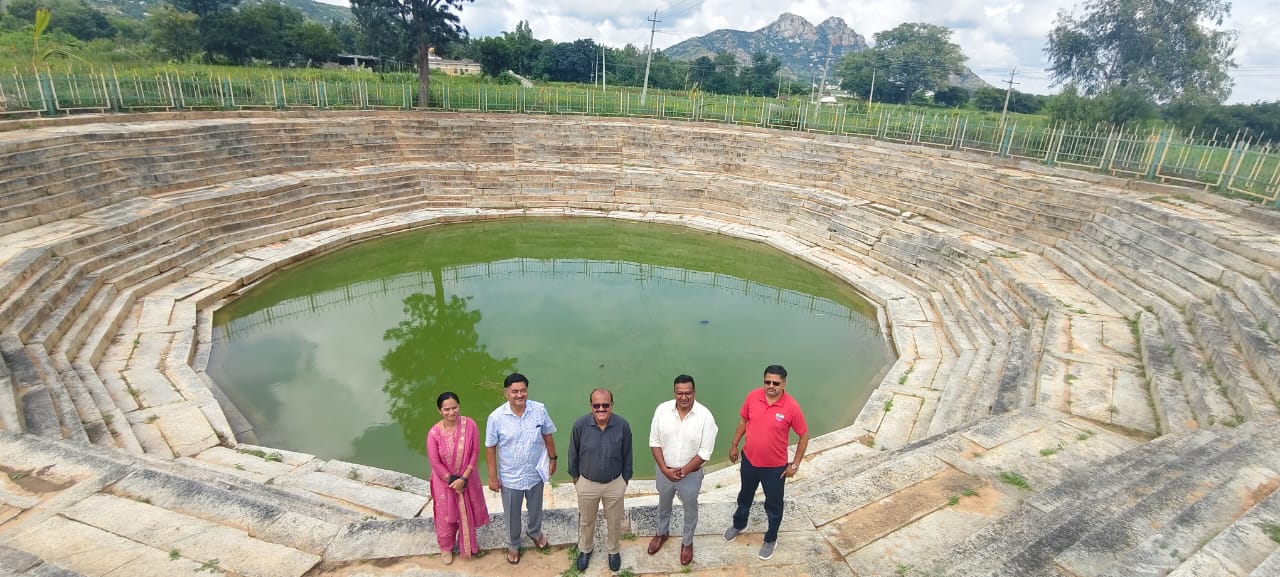
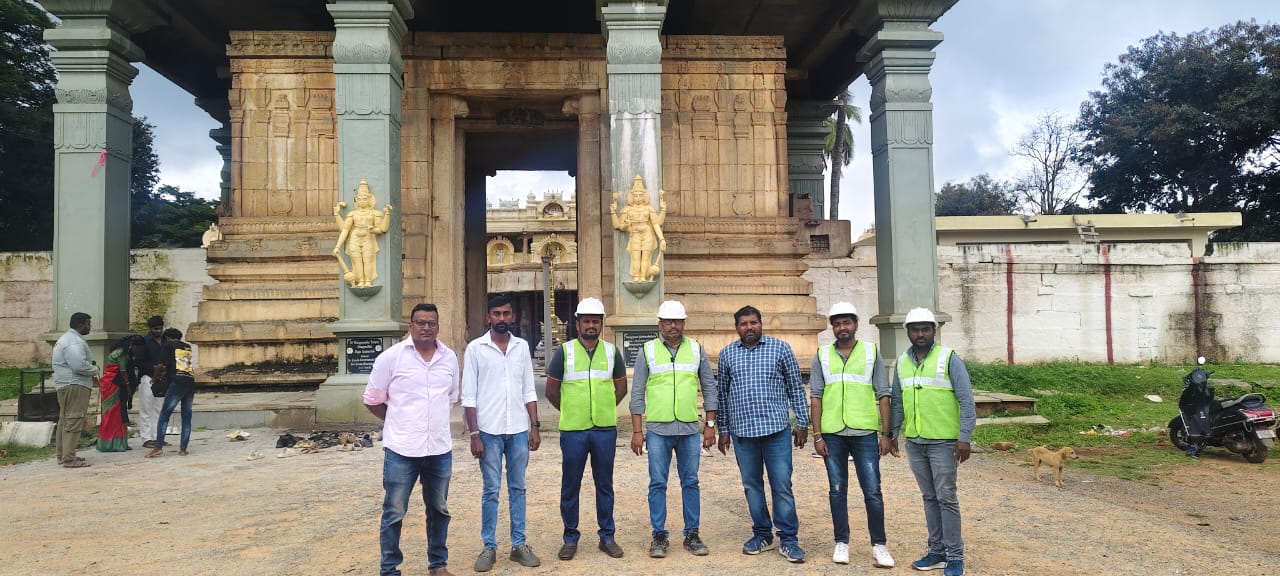
The Sri Ranganatha Swamy Temple at Rangasthala, near Chikkaballapur, is not merely a small shrine. It is a 20-acre sacred landscape: a moksha sthalam featuring a single-stone reclining idol, layered Hoysala–Vijayanagara architecture, and two ancient stepwells, including a rare, sixteen-sided chakra-styled kalyani, all held within a ring of hills and fields.
In Indian knowledge systems, places like this were never just ritual centers; they were living classrooms for ecology, water, and the arts, the 14 kalas and 64 vidyas woven into daily practice. When Namma Smaraka began opening doors for CSR-led adoptions, Culkey saw Rangasthala as the perfect place to answer a bigger question: Can one temple campus become the template for integrating heritage, ecology, water, and livelihoods?
Designing a Monument-Scale Blueprint
Most CSR heritage projects in India fund a small slice, a gopuram repair here, a pathway there, because few are willing to underwrite a 20-acre transformation. Rangasthala demanded a different design. Culkey, acting as the implementation partner under Namma Smaraka, worked with DAMH and conservation experts to develop a master plan that breaks one vast vision into adoptable phases:
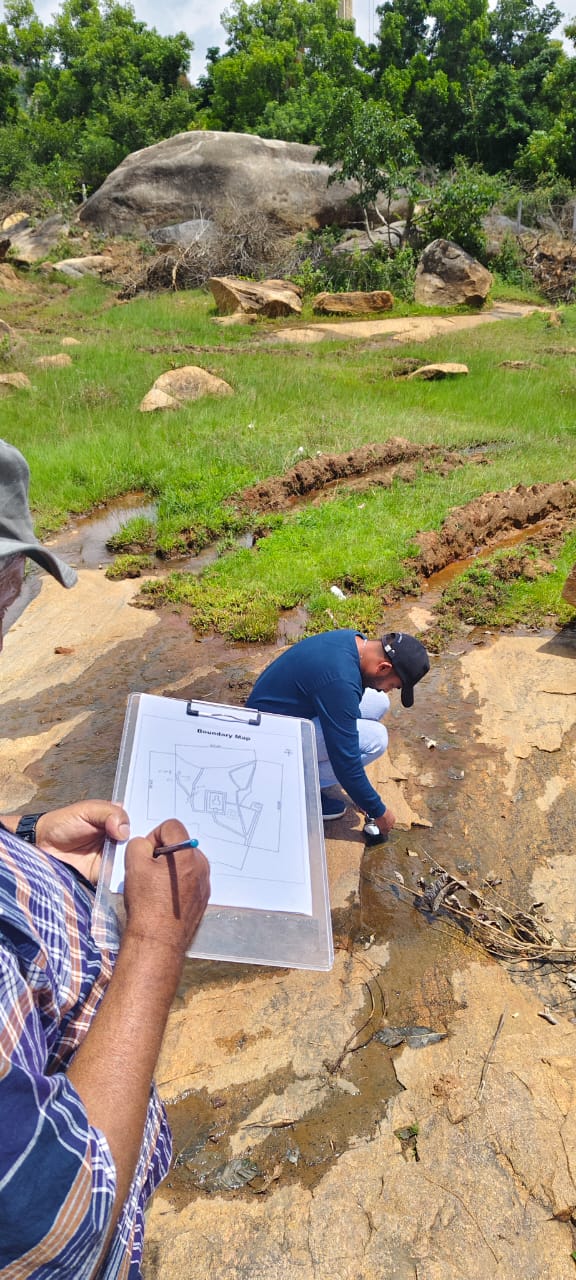
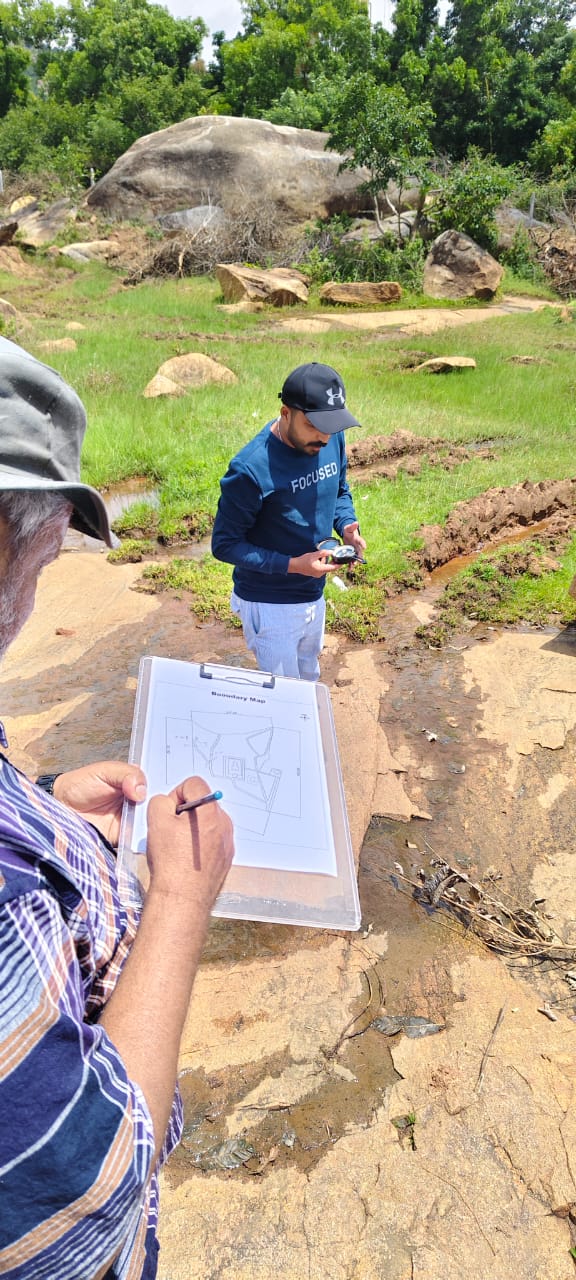
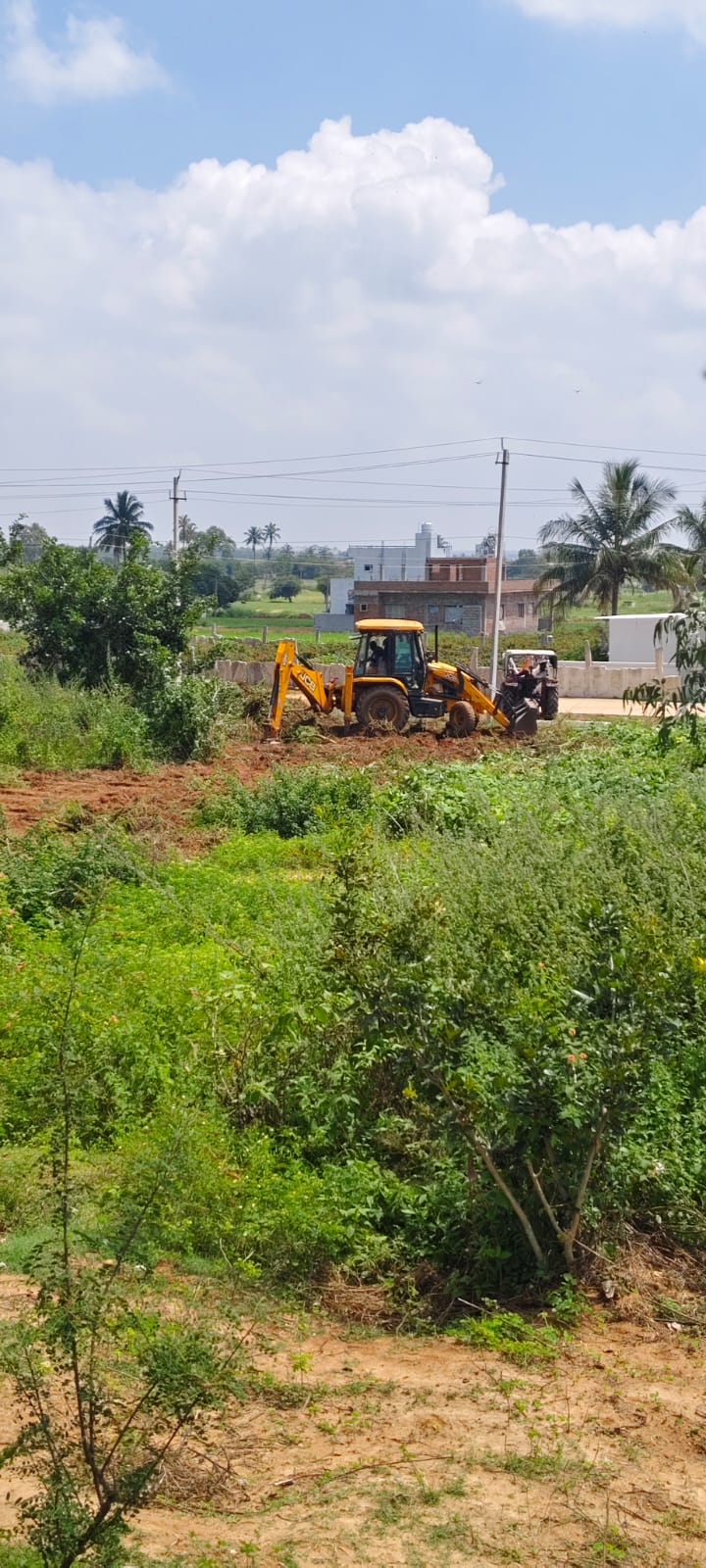
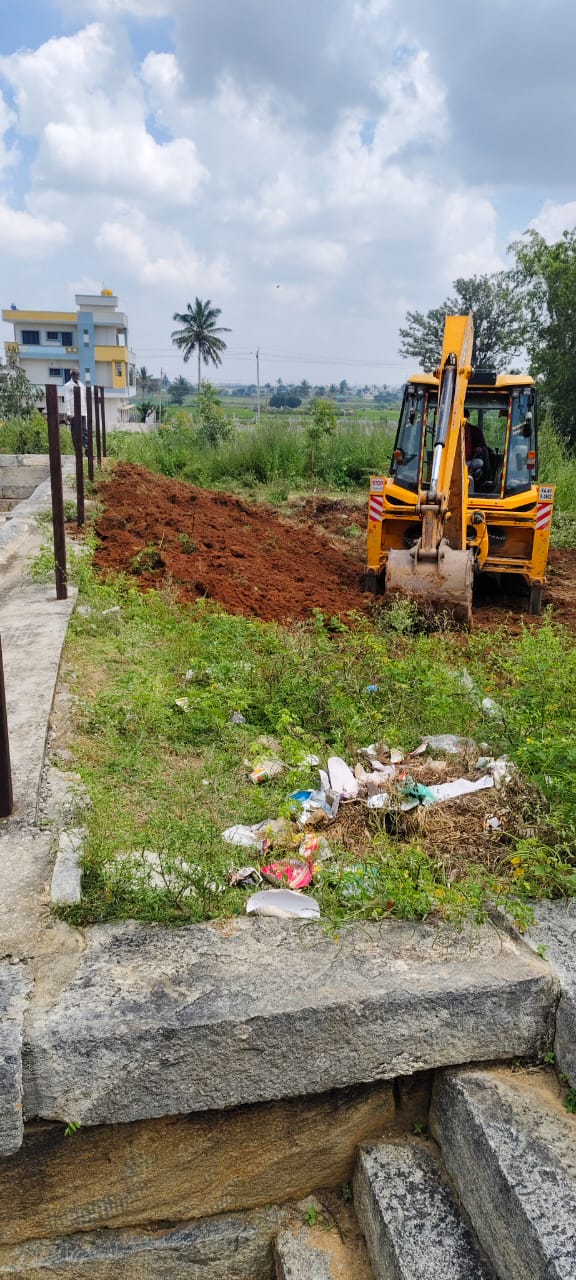
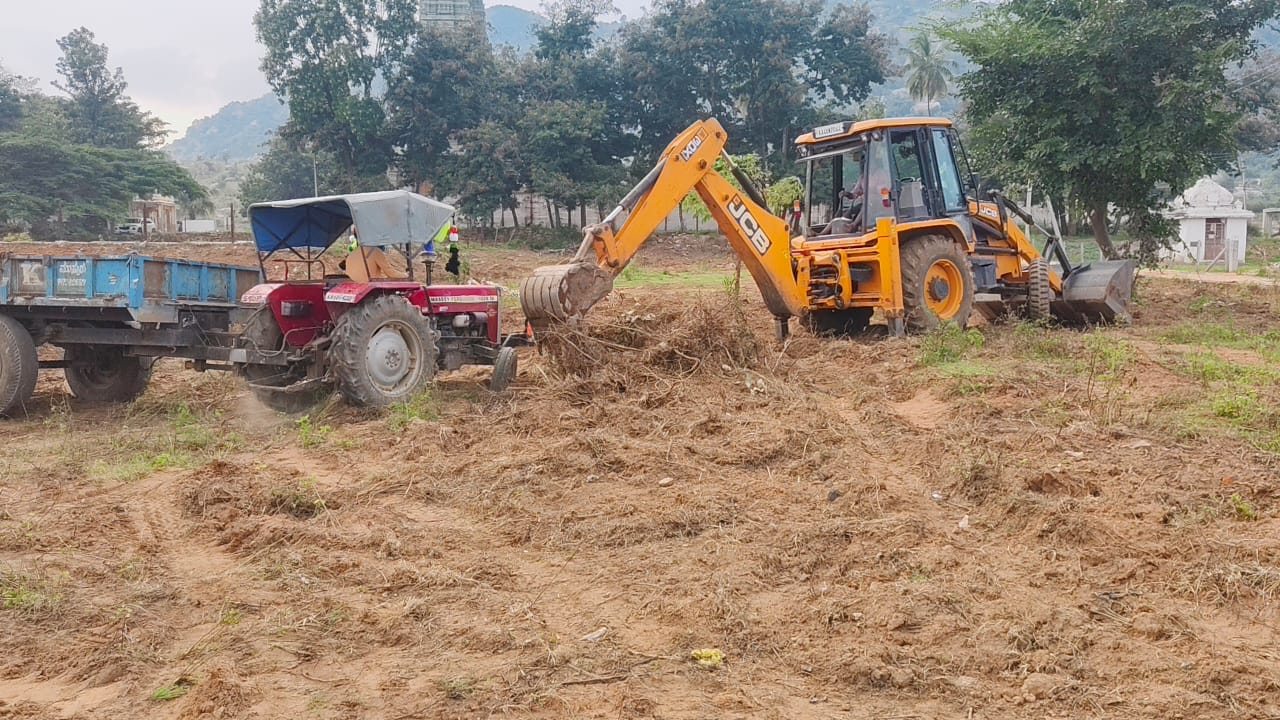
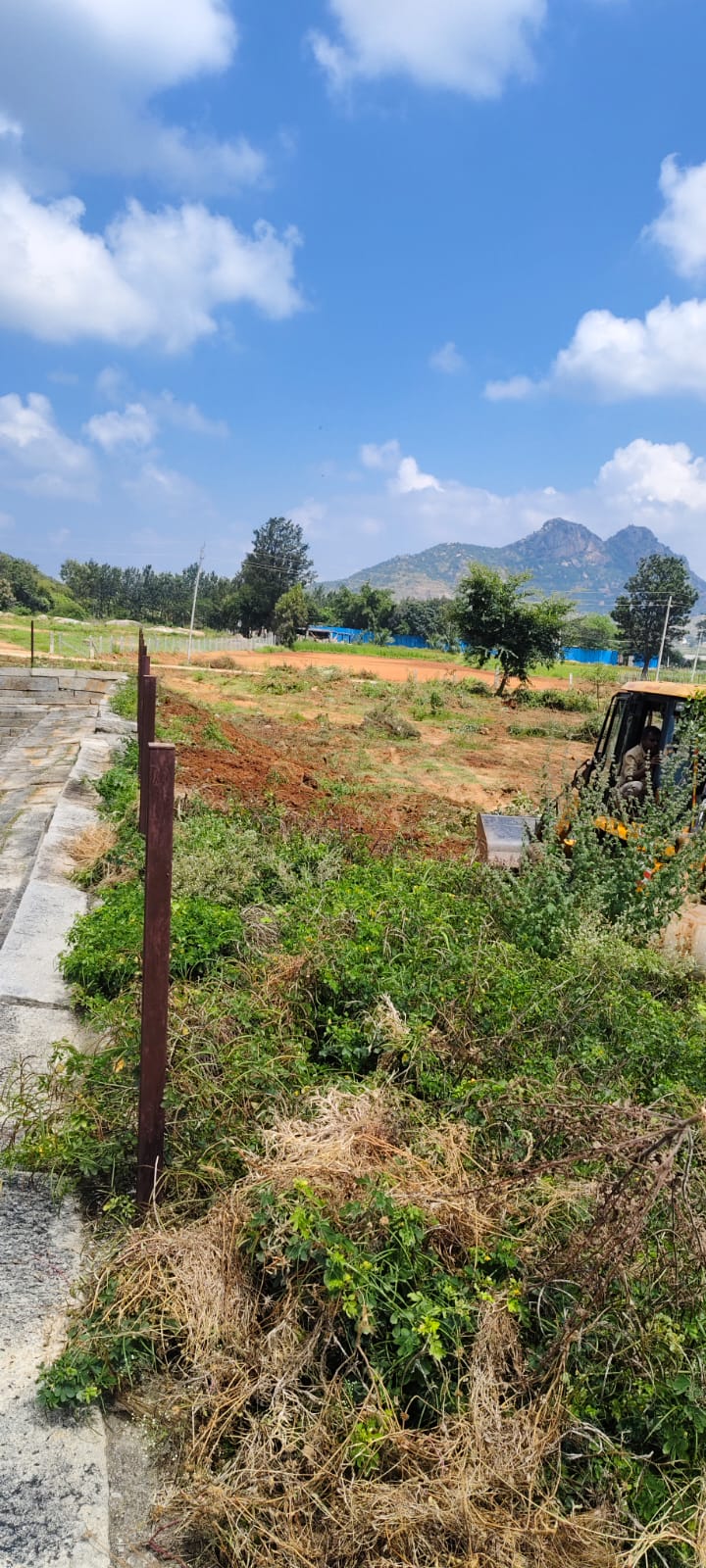
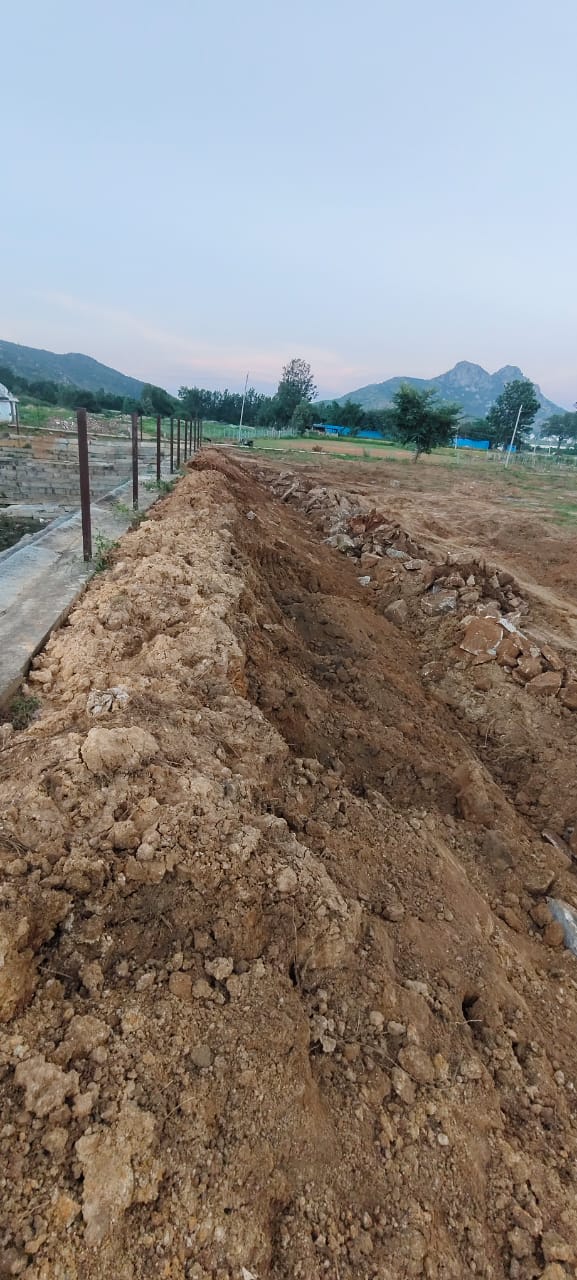
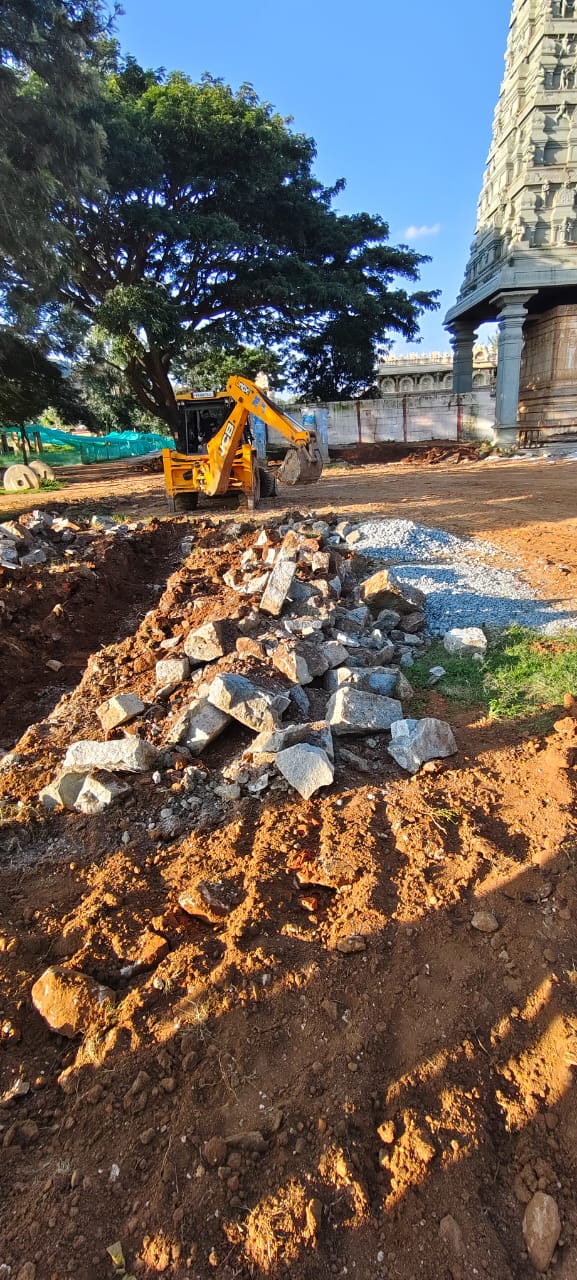
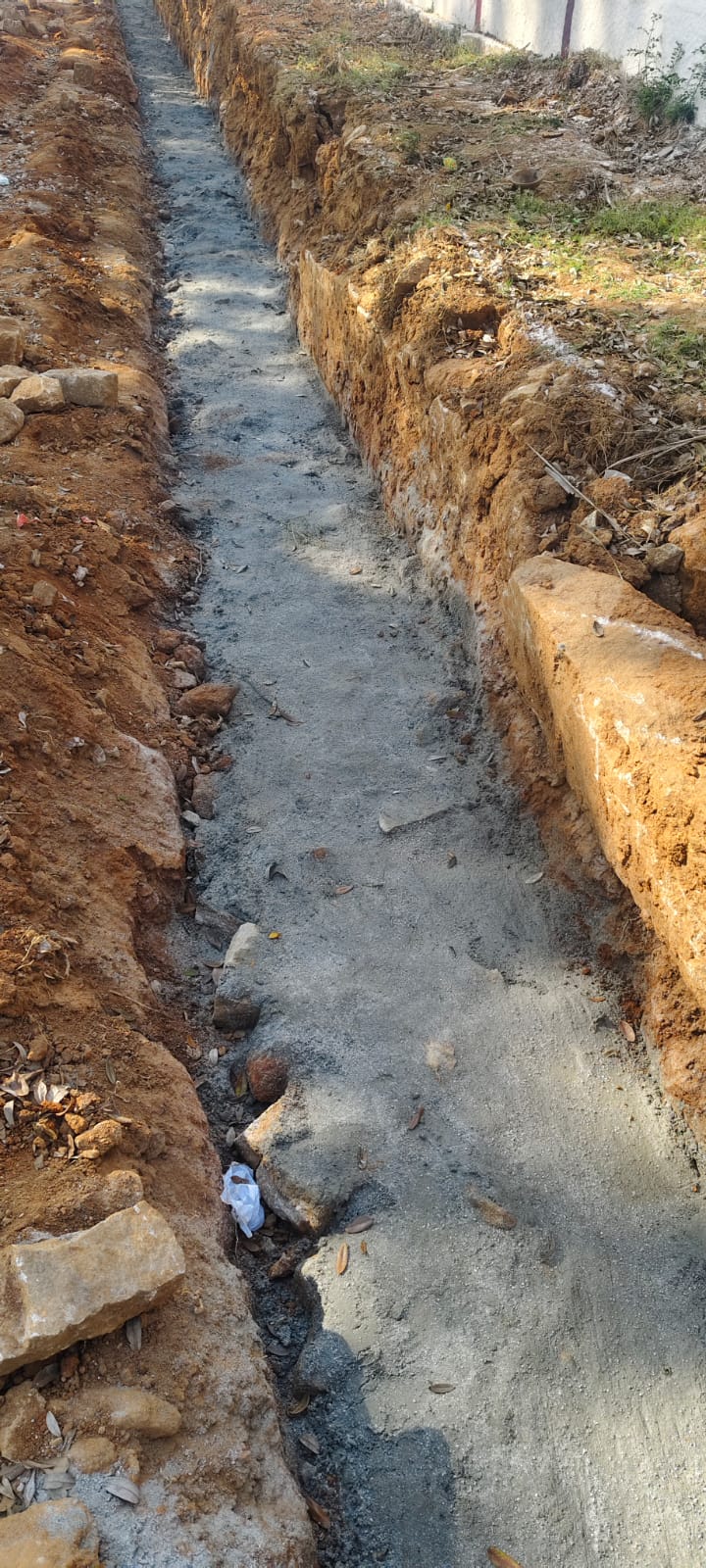
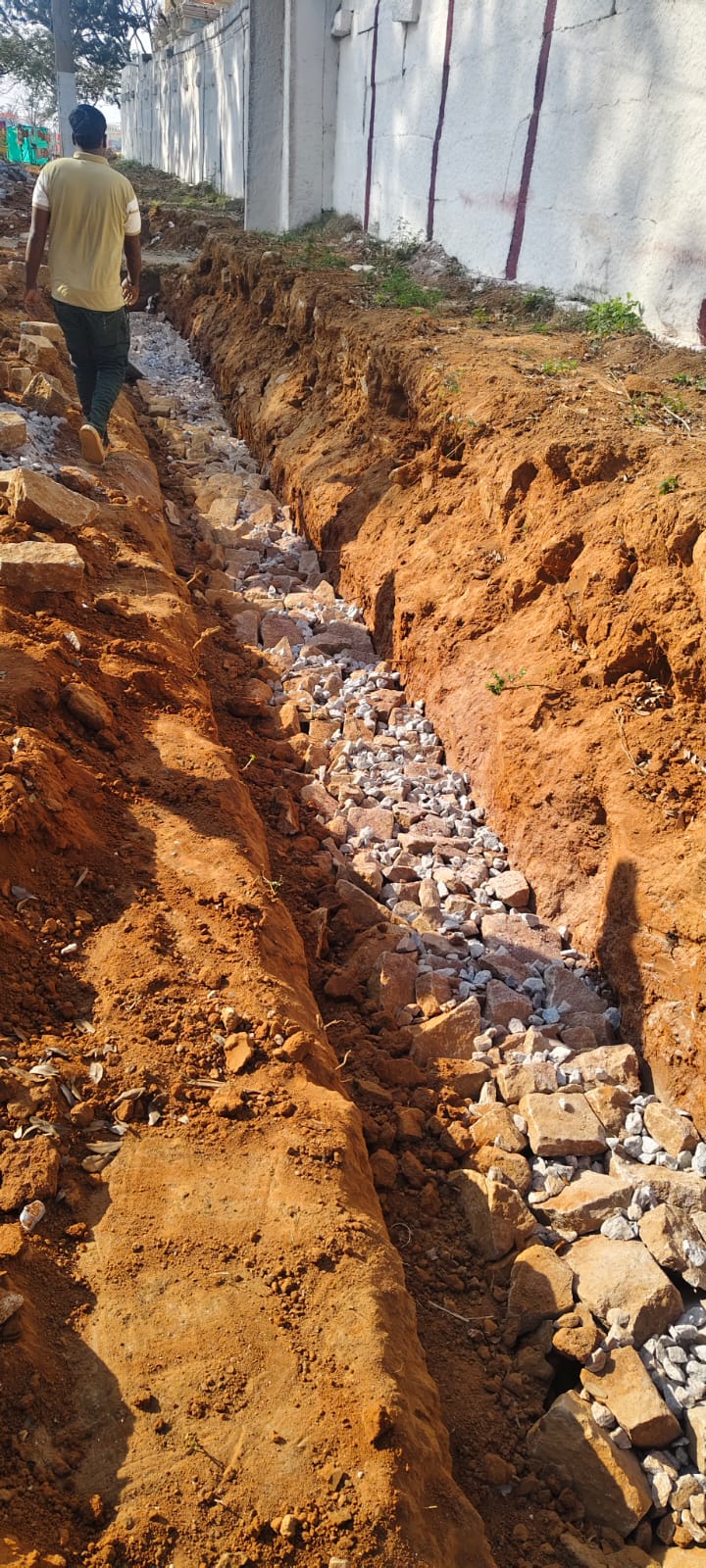
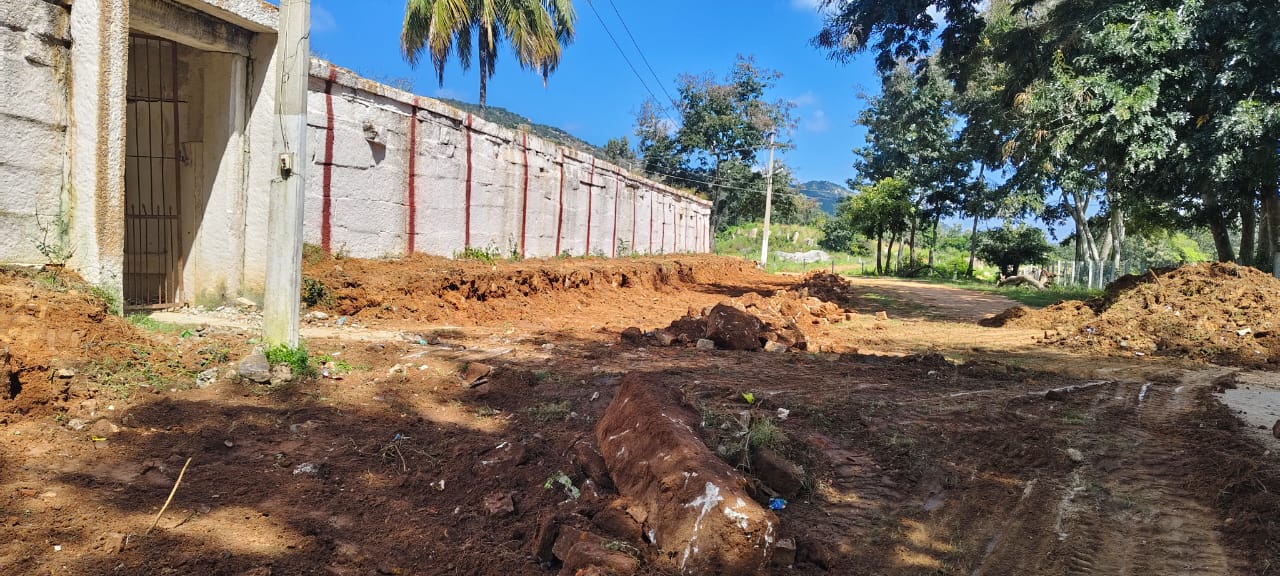
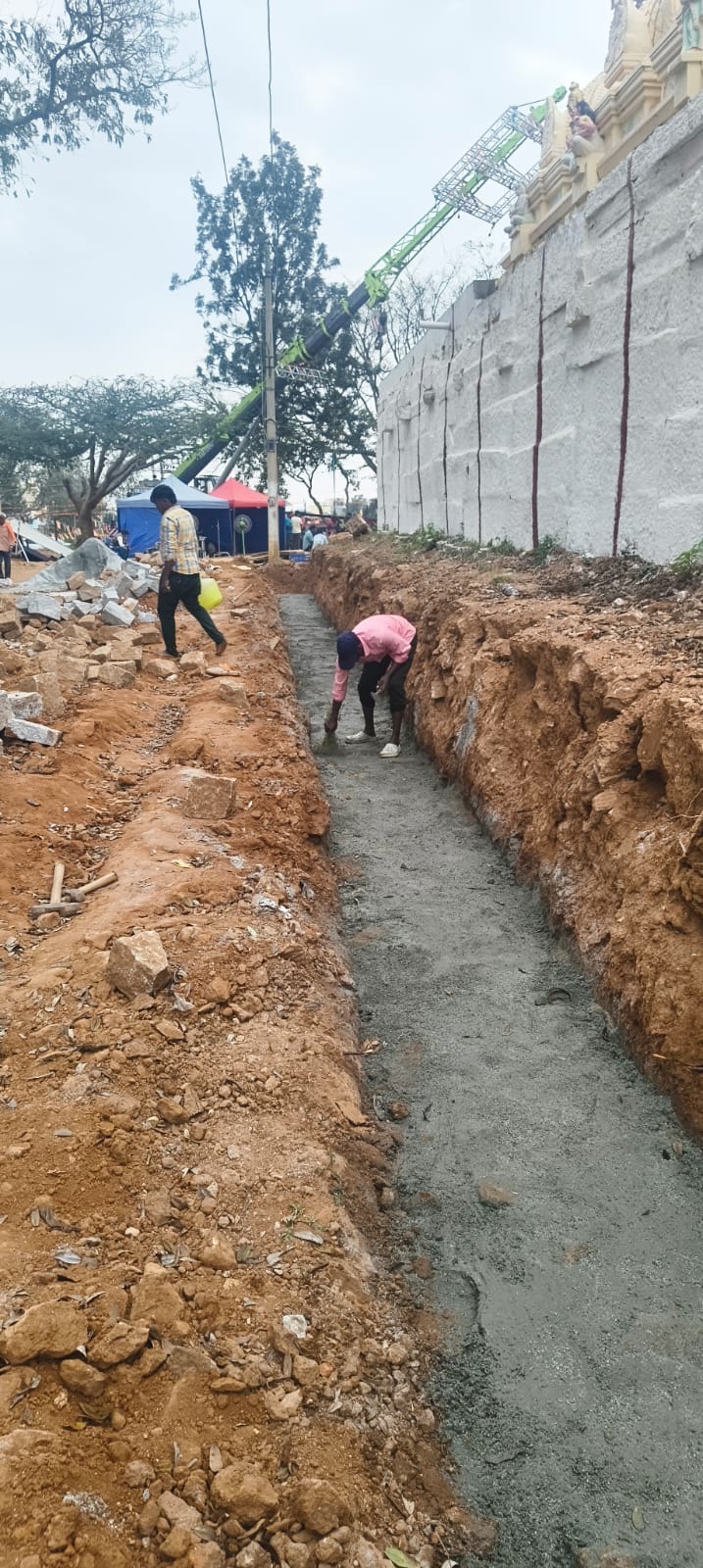
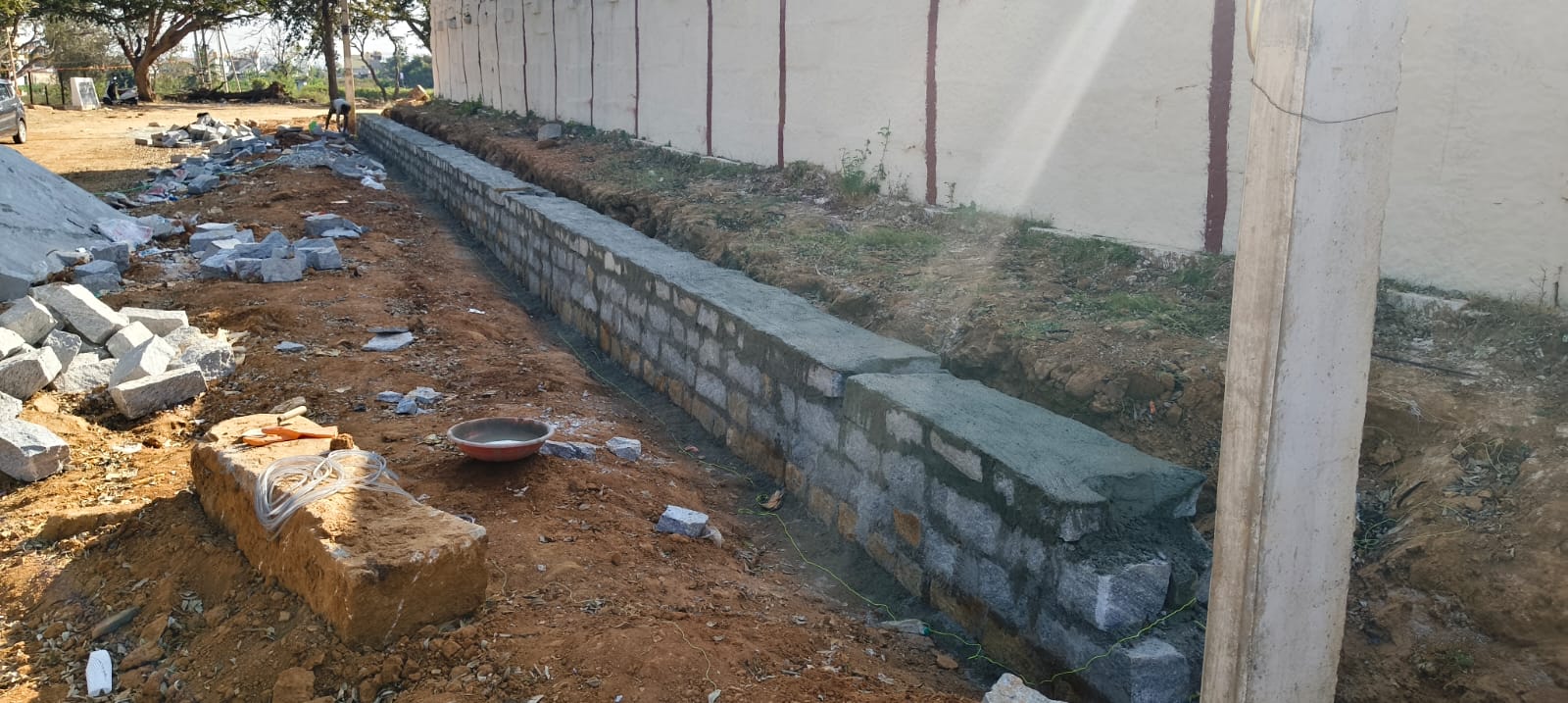
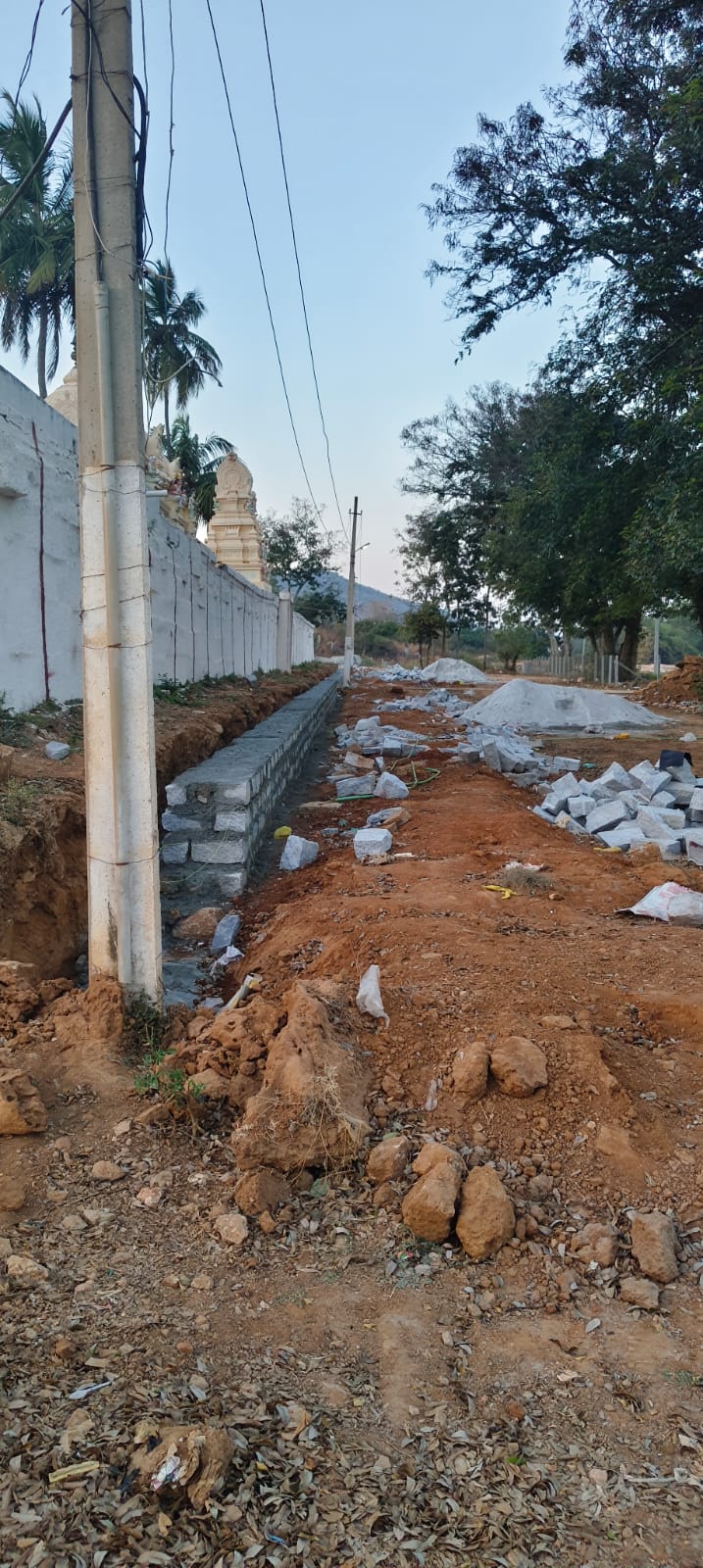
- Phase 1: Hard Infrastructure & Safety. Focused on earthworks, basic circulation, boundary definition, and stabilization of the two stepwells.
- Phase 2: Conservation & Experience. Strengthening mandapas and visitor flows in consultation with conservation architects, while keeping the live temple interior untouched.
- Phase 3: Ecology & Water. Creating Nakshatra and Navagraha vanas (sacred groves) and landscape interventions that revive the temple’s original water logic.
Crucially, the plan was structured like a menu for CSR funders. By aligning components to specific focus areas, heritage, water, or biodiversity, no single funder needed to carry the full ₹30-crore+ estimation alone.
Making it Real: A Phased CSR Coalition
To prove this model, Culkey brought together two CSR partners for Phase 1:
- Discovery Village committed to the foundational “hard infrastructure”, the earthwork and stabilization that most funds shy away from.
- Infra.Market stepped in to fund a clearly defined precinct component, demonstrating what a “completed” section looks like within the larger plan.
Culkey’s role was to translate the master plan into CSR-friendly packages, ensure they respected the live spiritual life of the temple, and match funder interests with specific site needs. Instead of waiting for a “one big cheque,” Rangasthala is being built as a coalition monument.
Early Outcomes: From Abstract to Visible
On the ground, the precinct is shifting from a patchwork of under-used land to a stabilized, thoughtfully laid-out sacred landscape. The unique stepwells are being protected, and basic amenities are being addressed so that visitors and priests can use the space without stressing the core temple fabric.
Corporate boards and conservation architects have begun to endorse this multi-funder approach, noting that it is more realistic and resilient than traditional single-source funding models for complex monuments.
Governance and the Blueprint
Governance rests with the DAMH and the District Monument Committee. Culkey functions as the implementation agency and convener, ensuring the master plan remains intact while keeping temple stakeholders engaged.
For Culkey, Rangasthala is the ecological and spiritual template:
- A Coherent Plan: Where a moksha sthalam sits alongside species corridors.
- A Shared Funding Model: Where water, ecology, and culture missions can plug into the same site.
- A Public Framework: Where state, community, and funders share responsibility.
If Namma Smaraka is the doorway to Karnataka’s monuments, Rangasthala is the house where Culkey is showing how rooms, wells, and gardens can be restored to honour both the story and the soil.