
Areas of Work

Environmental Sustainability & Climate Action
This vertical moves Culkey from “heritage” to “ecology,” hitting the highest-priority bucket for many ESG-focused firms.
- Traditional Water Systems (TWS) Revitalization: Restoration and desilting of ancient aquifers and stepwells to improve groundwater recharge.
- Climate-Resilient Landscaping: Development of indigenous plantations (Sacred Groves) to restore local micro-climates and biodiversity.
- Circular Resource Management: Implementing zero-waste and solar-energy systems in high-footfall cultural precincts.
Blue-Green Infrastructure: Integrating natural water logic with built heritage to prevent soil erosion and flash floods.
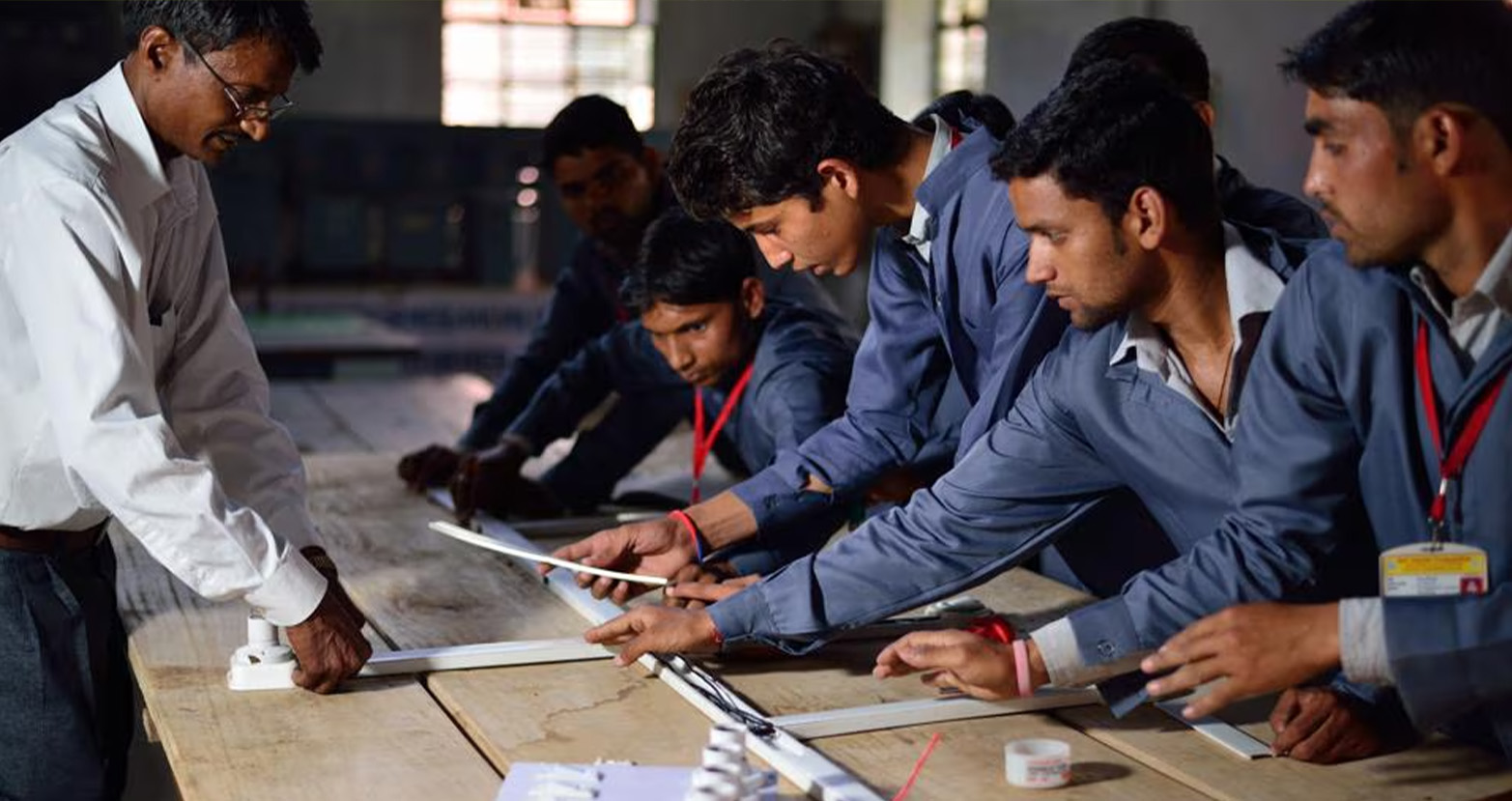
Inclusive Livelihoods & Skill Development
This is the “Human Capital” vertical, ideal for banks and retail companies focused on rural empowerment.
- The “Experience Economy” Incubation: Formalizing informal rural actors (guides, cooks, artisans) through business and digital literacy training.
- Vocational Certification for Heritage Services: Standardizing skills for heritage-specific trades like traditional masonry, eco-tourism, and storytelling.
- Women-led Micro-enterprises: Empowering Self-Help Groups (SHGs) to manage site-specific hospitality and craft units.
- Direct-to-Market Value Chains: Creating “phygital” (physical + digital) linkages for rural artisans to access global ethical-consumer markets.

Digital Transformation & Public Infrastructure (DPI)
This vertical is for tech firms and consulting houses interested in “Systems Change” and “Digital India.”
- Digital Commons for Cultural Assets: Building state-wide searchable dashboards to make “anonymous” heritage sites discoverable to donors and travelers.
- FinTech for Informal Actors: Onboarding rural service providers to digital payment ecosystems and credit-readiness rails.
- DPI for Tourism & Arts: Creating the foundational digital architecture (ID, payments, discovery) for the decentralized tourism sector.
- Transparent Impact Monitoring: Providing data-driven dashboards that track fund utilization and social impact in real-time.
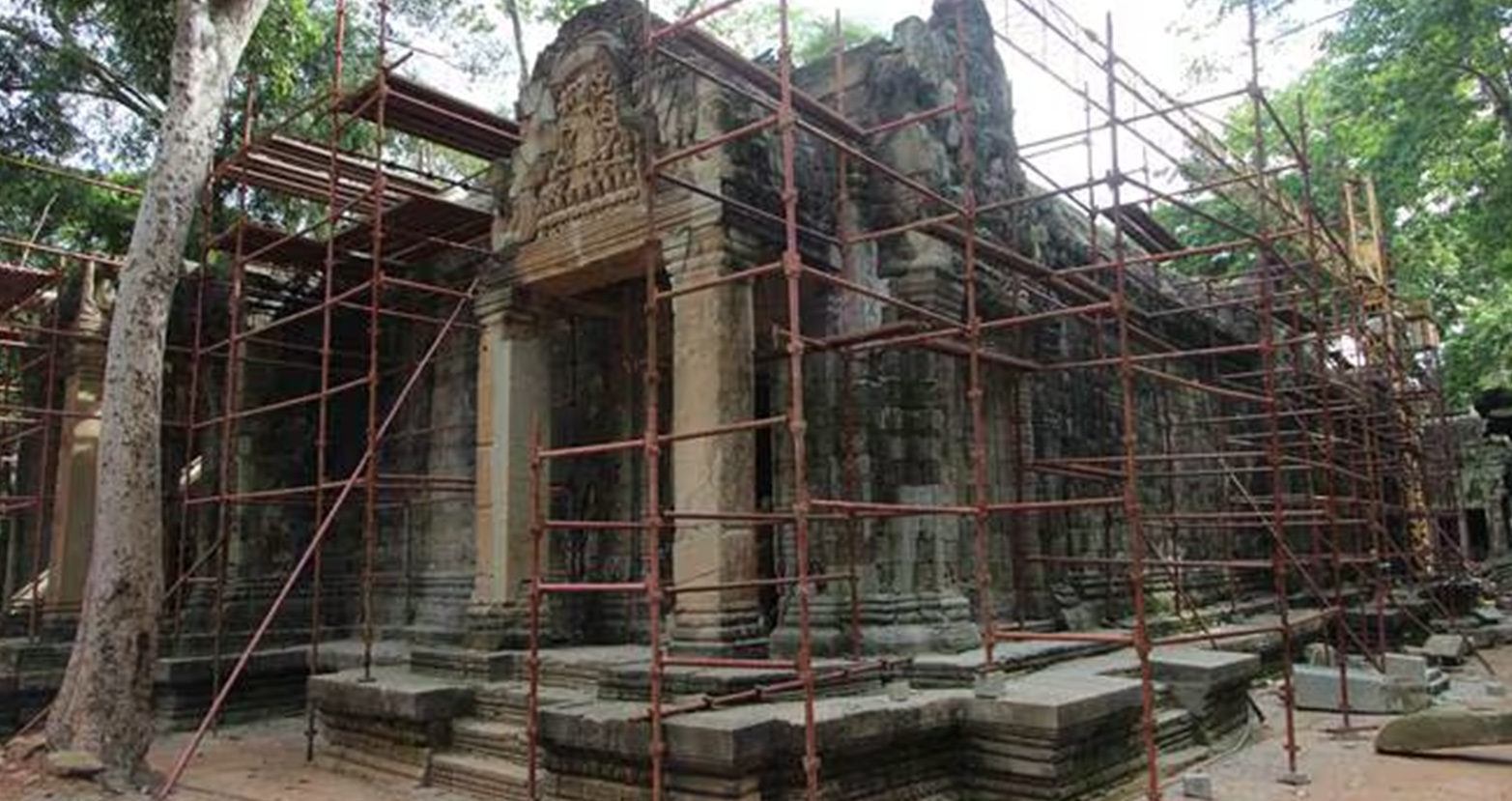
Heritage Conservation & National Identity
This is the core vertical, aligned directly with Section VII(v) of the CSR mandate.
- Monument-Scale Master Planning: Providing technical PMU services for the end-to-end restoration of state-protected sites.
- Adaptive Reuse & Precinct Revitalization: Transforming static monuments into “Living Centers” for community events, education, and research.
- Public Narrative & Interpretation: Redefining heritage sites through immersive signage, digital storytelling, and archival research.
- Preventive Conservation & Maintenance: Establishing sustainable, community-led maintenance models (Smaraka Mitra) to ensure long-term site health.
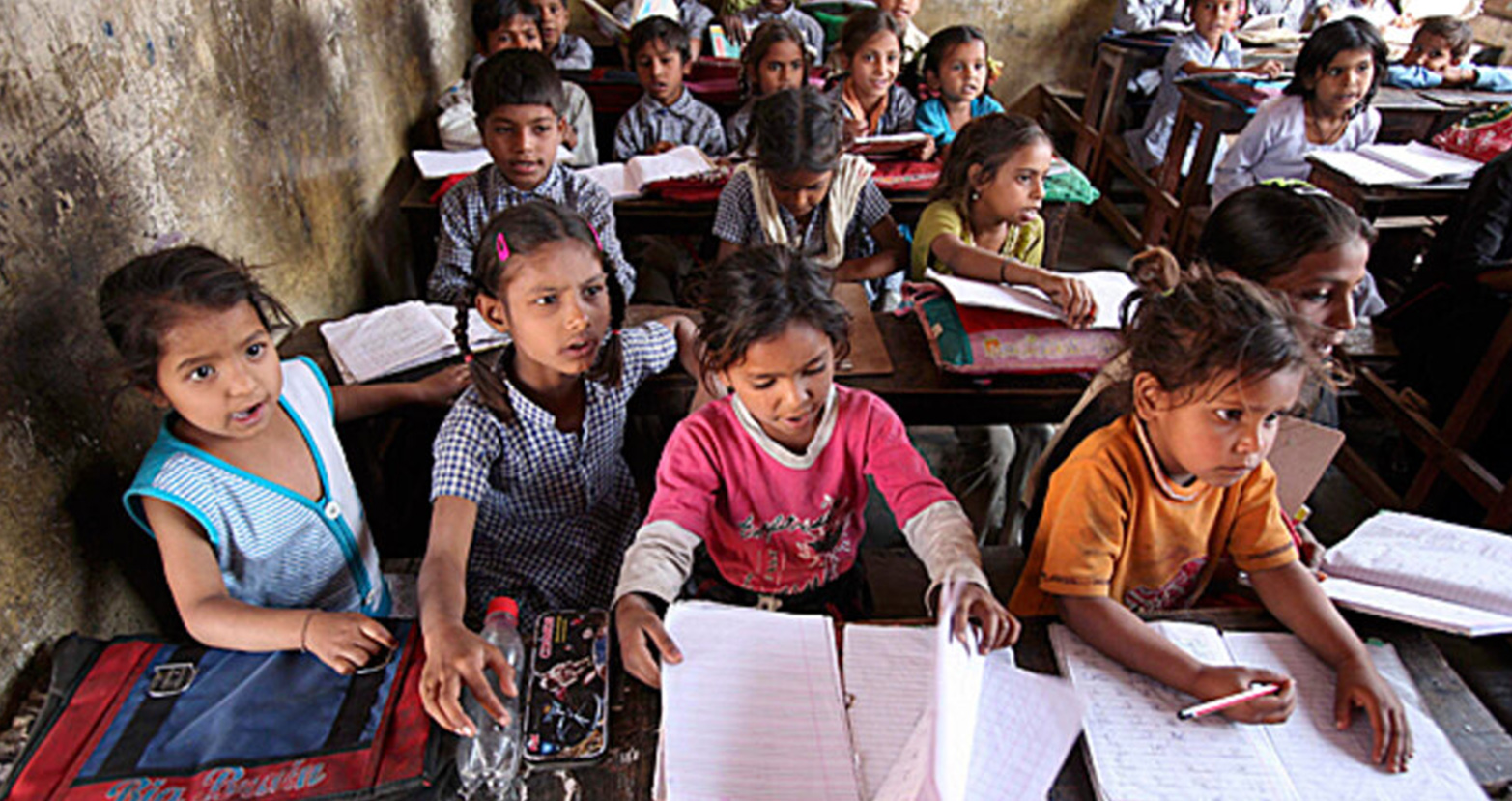
Education & Community Stewardship
This targets the “Education” bucket, often the largest slice of the CSR pie.
- Place-Based Education (PBE) Programs: Creating “outdoor laboratories” where students learn science, history, and ecology at nearby heritage sites.
- Heritage Literacy & Civic Pride: Organizing community-led awareness programs to reconnect the diaspora and local residents with their roots.
- Institutional Strengthening: Training local government bodies and monument committees in sustainable site management and visitor handling.